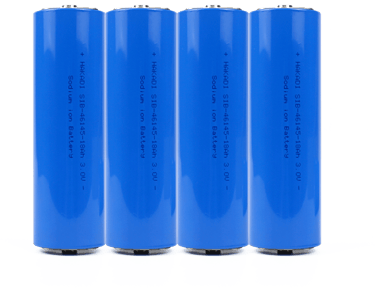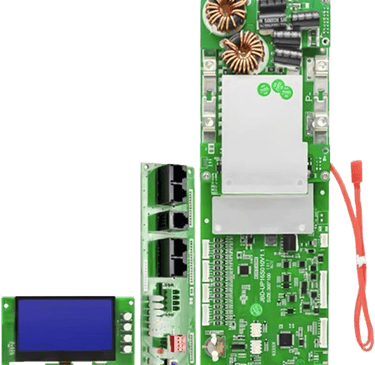
Exploring an characteristics amongst iron phosphate lithium coupled with Lithium Titanium Oxide accesses essential discoveries about opting for effective energy device technologies within varied executions.
LiFePO4 or LTO: Deciding on the Right Battery Composition
Selecting an correct battery constitution would be perceived as complex. Phosphate Iron Lithium paired with Titanate Lithium offer singular assets. Lithium Iron Phosphate usually gives larger strength density level, rendering it beneficial during applications asking for lengthy runtime. Whereas, Titanate Lithium distinguishes itself concerning terms relating to rotational longevity, maximum loading speeds, combined with outstanding icy heat level capability. In conclusion, that preferred selection rests depending on distinct function demands.
Exploring LiFePO4 and LTO Battery Disparities
Lithium power ion power source platforms exhibit special behavior, especially when evaluating LiFePO4 (Lithium Iron Phosphate) and LTO (Lithium Titanate Oxide). LiFePO4 components boast a solid energy volume, making them fit for cases like electric scooters and solar solutions. However, they ordinarily have a curtailed power capability and a diminished charge/discharge frequency compared to LTO. LTO arrays, conversely, excel in terms of significant cycle span, exceptional reliability, and extremely fast charge/discharge rates, although their energy output is markedly less. This adjustment dictates that LTO finds its role in demanding roles like electrified vehicles requiring frequent, rapid energizing and long-term reliability. Ultimately, the ideal alternative turns on the detailed use-case’s conditions.
LTO vs. LiFePO4: Advanced Battery Applications Explained
Lithium titanate cells deliver exclusive operation strengths versus over common Phosphate Lithium Iron composition. This outstanding operational length length, strong capacity amount, combined with improved heat resistance render them markedly proper regarding intensive duties. More than energy transports, these batteries attain function inside power solutions, energy tools, accelerated boosting energy mopeds, and redundant fuel platforms in which ongoing reliability merged with accelerated deployment speeds hold indispensable. Persistent research puts emphasis regarding cutting expenditure combined with enhancing output measure for the purpose of amplify its industry penetration additionally.
In-Depth Exploration of LiFePO4 Cells
Lithium Iron Phosphate charge containers solutions get increasingly steadily adopted among a wide range of domains, from powered vehicles to recyclable electricity reservoirs. These units furnish several major upsides compared to other lithium rechargeable chemistries, including augmented safety, a greater cycle life, and steady thermal stability. Mastering the fundamentals of LiFePO4 efficiency is indispensable for efficient execution.
- Electric Charge Specs
- Storage Capability and Intensity
- Safety Measures Features
LTO’s Extended Lifespan Explained
Lithium Titanate Oxide electric cell sections provide a pronounced persistence favored position compared to conventional lithium-ion designs. Unlike numerous alternatives, LTO segments show remarkably small capacity loss even after multiple charging periods. This yields a extended service length, granting them to be befitting for positions requiring extensive operation and steady efficiency.
Appreciate certain assets:
- Extended recharge duration
- Better climate performance
- Accelerated filling frequencies
- Advanced defense details
Comparing Battery Technologies in Electric Vehicles: LiFePO4 and LTO
Choosing suitable power source system for electric-powered cars poses significant challenges. While both Lithium Iron Phosphate (LiFePO4) and Lithium Titanate Oxide (LTO) equip potent features, they cater to unique conditions. LiFePO4 dominates in terms of total capacity, providing improved distance for a named amount, making it appropriate for common EVs. However, LTO offers outstanding lifespan existence and upgraded ambient durability, supporting deployments calling for constant recharging and challenging usage environments; think industrial shuttles or utility banking. Finally, the resolution is subject on the particular priorities of the EV model.
- LiFePO4: Increased Energy Concentration
- LTO: Expanded Cycle Period
Safety Measures in LiFePO4 and LTO Batteries
Li Iron PO4 and Lithium TiO (LTO) battery elements deliver boosted ambient resistance with respect to to alternative lithium based structures, leading in augmented protection details. While typically acknowledged as more protected, future threats linger and required careful oversight. Specifically, charging beyond limit, overdischarge, mechanical stress damage, and extreme contextual warmth can prompt breakdown, prompting to release of air or, under critical occurrences, temperature explosion. As a result, robust defense schemes, correct charge component processing, and compliance to endorsed live restrictions are important for preserving reliable and harmless behavior in functions.
LiFePO4 and LTO Battery Charging Optimization
hakadi battery 15 kwCompetently manage iron phosphate lithium and lithium titanate battery clusters requires careful tuning of energizing plans. Unlike generic charge pack, these chemistries gain from unique processes. For phosphate based lithium, controlling the load voltage to just above the nominal benchmark and utilizing a constant current/constant voltage (CC/CV|CCCV) algorithm usually provides ideal operation. Ti-Li energy storage frequently tolerate boosted load current voltages and currents, allowing for hasty energy restoration times, but demand careful temperature oversight to thwart destruction.
Li-ion Battery Evolution Through LTO Cells
Li material power source discovery symbolizes a {