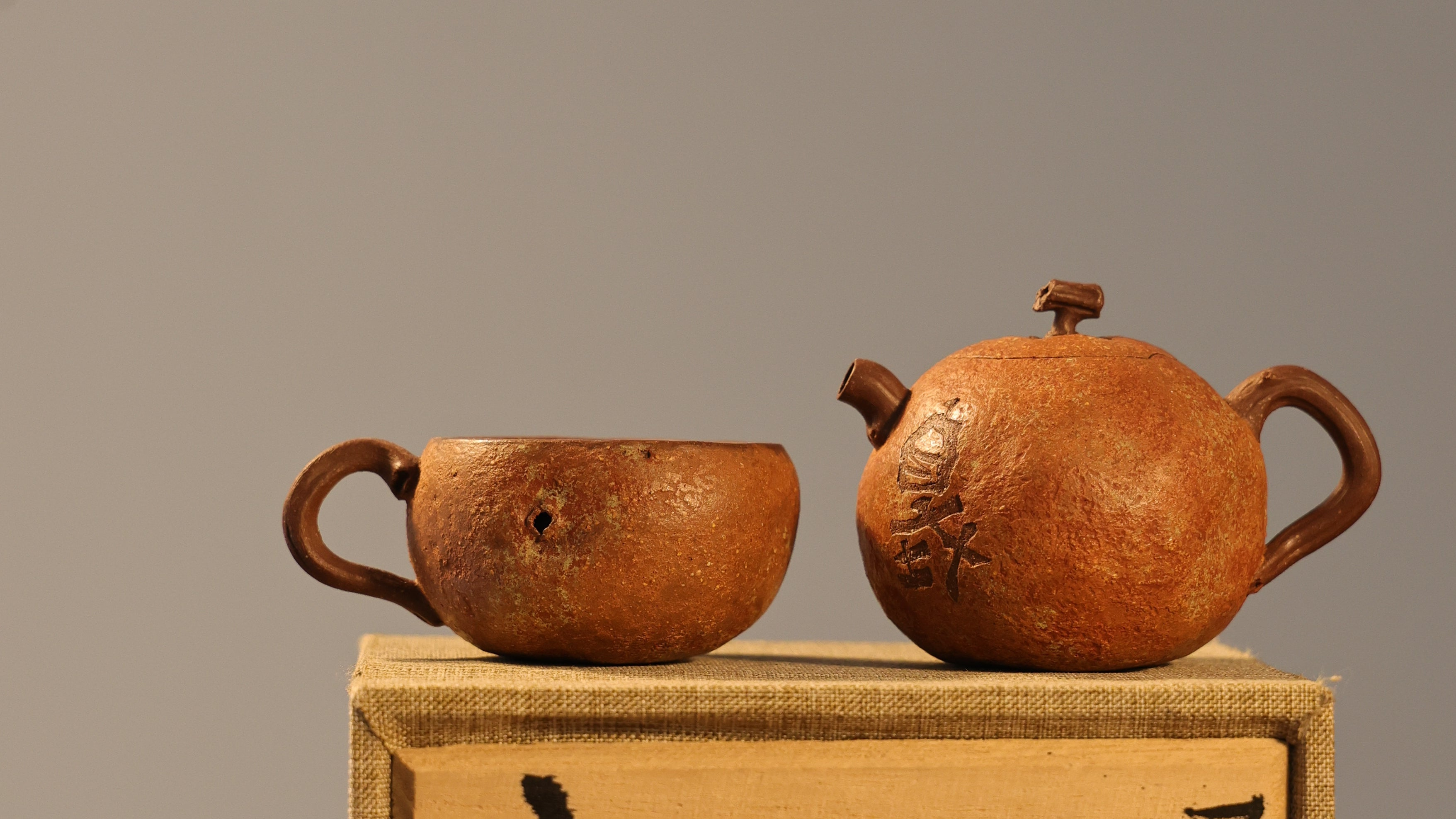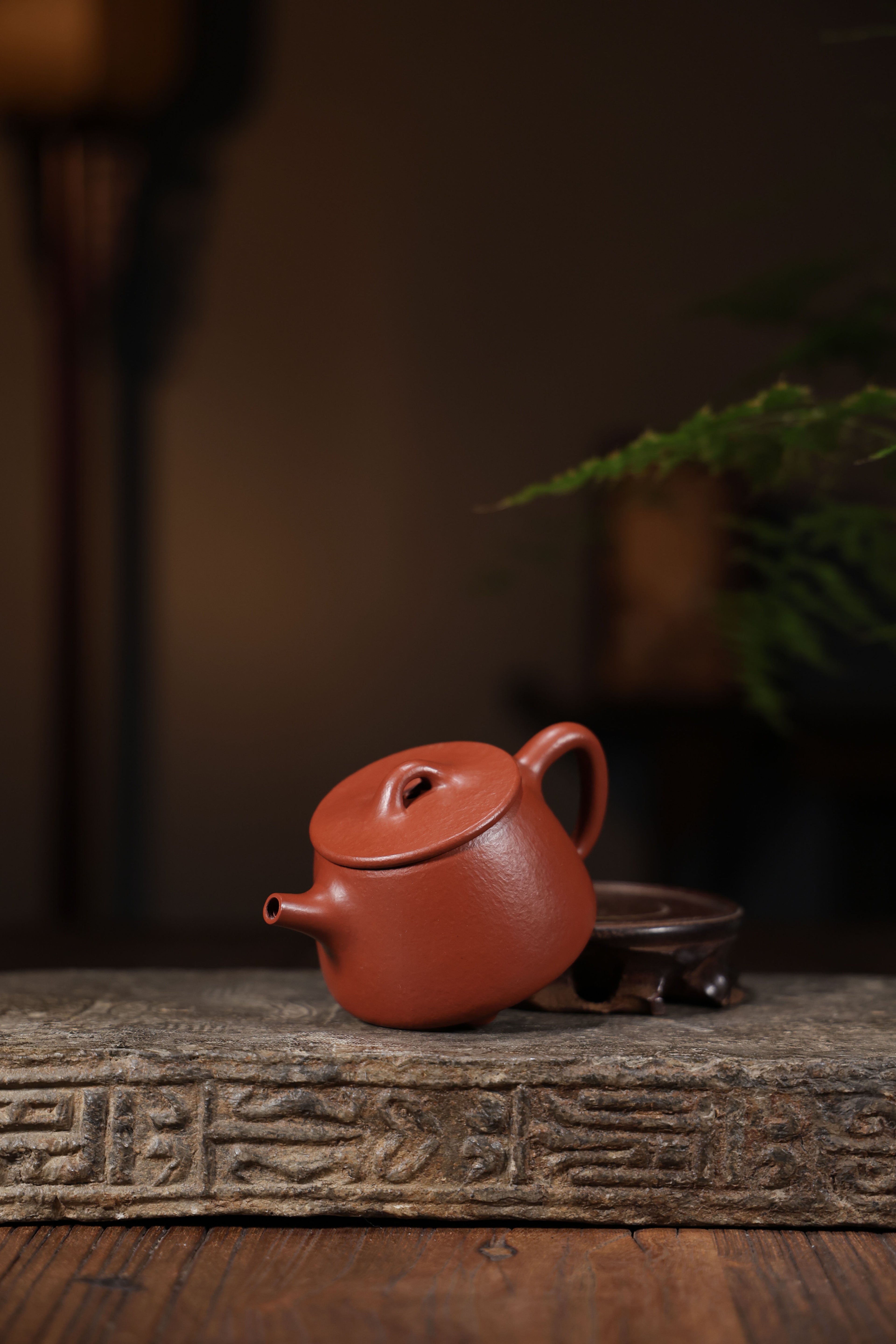
Times in enthusiasts have yearned the special allure of Yixing Zisha containers. Coming in the modest town of Yixing, the homeland, these urns are created from a scarce and recovered purple clay recognized for its superior thermal features and tendency to improve the flavor of potions. Besides their utilitarian importance, Zisha teapots embody a rich legacy roots, transforming them exceptionally valued and a genuine wonder for any ardent teapot appreciator.
Understanding Yixing Pitchers
Classic teapots showcase a distinctive fusion of history and expert craftsmanship. Developing in Yixing, Jiangsu Territory of China, their narrative stretches the Ming Dynasty, although indications suggest earlier models. The exclusive purplish clay, called Zisha, found merely in the Yixing region, is the integral component, contributing to the pots' excellent heat sustaining and the manner they modify the flavor of tea. Continuums of potters have enhanced techniques—often passed down through families—including crafting the clay, applying intricate embellishments, and firing the pots at consistent temperatures.- Originally, Yixing teapots were often ornamented with simple designs.
- Afterwards, more sophisticated carvings and iconographic motifs became widespread.
- The kiln firing itself is a vital element, requiring extensive periods of competence.
Amassing Zisha Teapots: Essential Criteria
Beginning a expedition to acquire Zisha kettles can be rewarding, but it’s necessary to learn what to examine. Authenticity is fundamental; focus on the earth’s natural cast, a delicate reddish-brown is standard. Examine the structure; genuine Zisha has a characteristic tactile sensation, often depicted as slightly rough. The configuration should be well-proportioned and consistent with traditional styles, while stamps, if present, require scrupulous examination for genuineness. Don’t hold back to consult with professional collectors or trusted resources – their understanding is invaluable.
Traditional Pitchers: Researching the Tradition of this Yixing Clay
Periods have seen Yixing Rare Clay teapots hold a significant role in Chinese legacy. These skillfully produced pots, sourced solely from the territory of Yixing, are noted for their peculiar pigmentation, composition, and their ability to improve the flavor of brews. Countless collectors value antique Yixing teapots, treasuring them considerably not only for their aesthetic grace, but also for the chronicle they signify.
Yixing Zisha Teapots: This Leading Categories and Their Traits
Purple Earthenware teapots, established in the renowned district of Yixing, the country, are esteemed for their singular clay and excellent brewing powers. Amongst the many Zisha types, certain varieties that are highly treasured include Baiwei. Binzhou, known for its vivid purple shade and velvety texture, delivers a soft flavor. Duan Ni subclass, recognizable by its rusty color and a bit grainy feel, is believed to enhance a richness. Lastly, Zhuni faction boasts an scarce crimson tone and can impart a savory nuance. Each sort delivers a different experience, making them distinctly desirable between infusion enthusiasts.
Achieving The Artisan Container
To discover the full potential of your Yixing urn, learning the correct technique is essential. These clay earthenware, celebrated for their penetrability, will slowly embrace the heart of the tea you brew within them. Begin by purifying the pot thoroughly with hot water. Then, use only first-class broken leaf tea, as lower quality options can damage the premise’s delicate character. Always give the leaves to spread completely, and remember that with each use, your Yixing pitcher will become increasingly esteemed.
Preserving Your Beloved Zisha Item
Proper care for your Zisha container is essential to securing its character and esteem. Zisha clay, known for its unique cast and composition, requires mindful handling. Never use harsh solutions, as these can damage the layer. After every use, rinse the pot with room temperature Purple Clay Teapot water and allow it to dehydrate completely.
- Resist soaking the vessel for extended phases.
- Periodically use a soft cleanser cloth to wipe the exterior.
- Contemplate applying a thin layer of food-grade ointment inside the kettle after drying, which can curb staining.
Fundamentals of Yixing Pitchers
Yixing clay pots, originating from the Yixing territory in Jiangsu Province, in the People's Republic, are celebrated for their distinctive attributes. Created from the unique purple compound known as Zisha, these vessels are prized by infusion enthusiasts worldwide. This primer will plainly explain the principles – covering forms of Zisha composite, prevailing shapes, and important care recommendations. Understanding the foundation of Yixing jars can enhance your appreciation for this esteemed example of Far Eastern folklore.
Fabrication of Chinese Clay Pots: Spotlighting Zisha produced in Yixing
Zisha pottery from the Yixing region represents the maximal point of Han kettle design, projecting a uncommon concoction of natural beauty and practical artistry. These exceptional pieces are famed for their intense shades, often varying from robust purples and mahogany hues to pale greys and faint beiges. The noted mineral composition of the exclusive Zisha bedrock imparts a unique texture and delivers a welcoming aroma that heightens the aggregate potion experience, contributing to them strongly valued collectibles and necessary components of any serious ceremony.