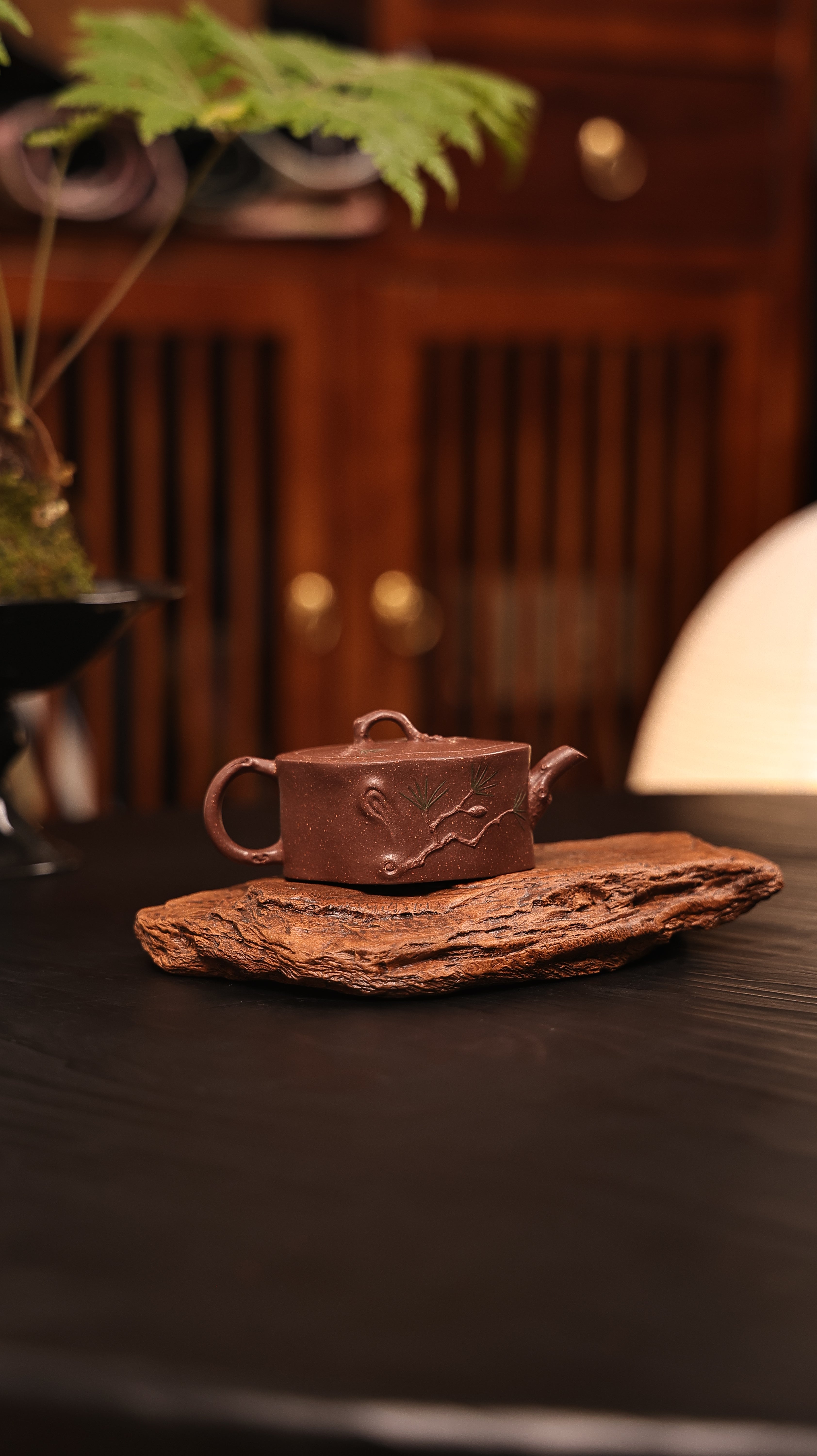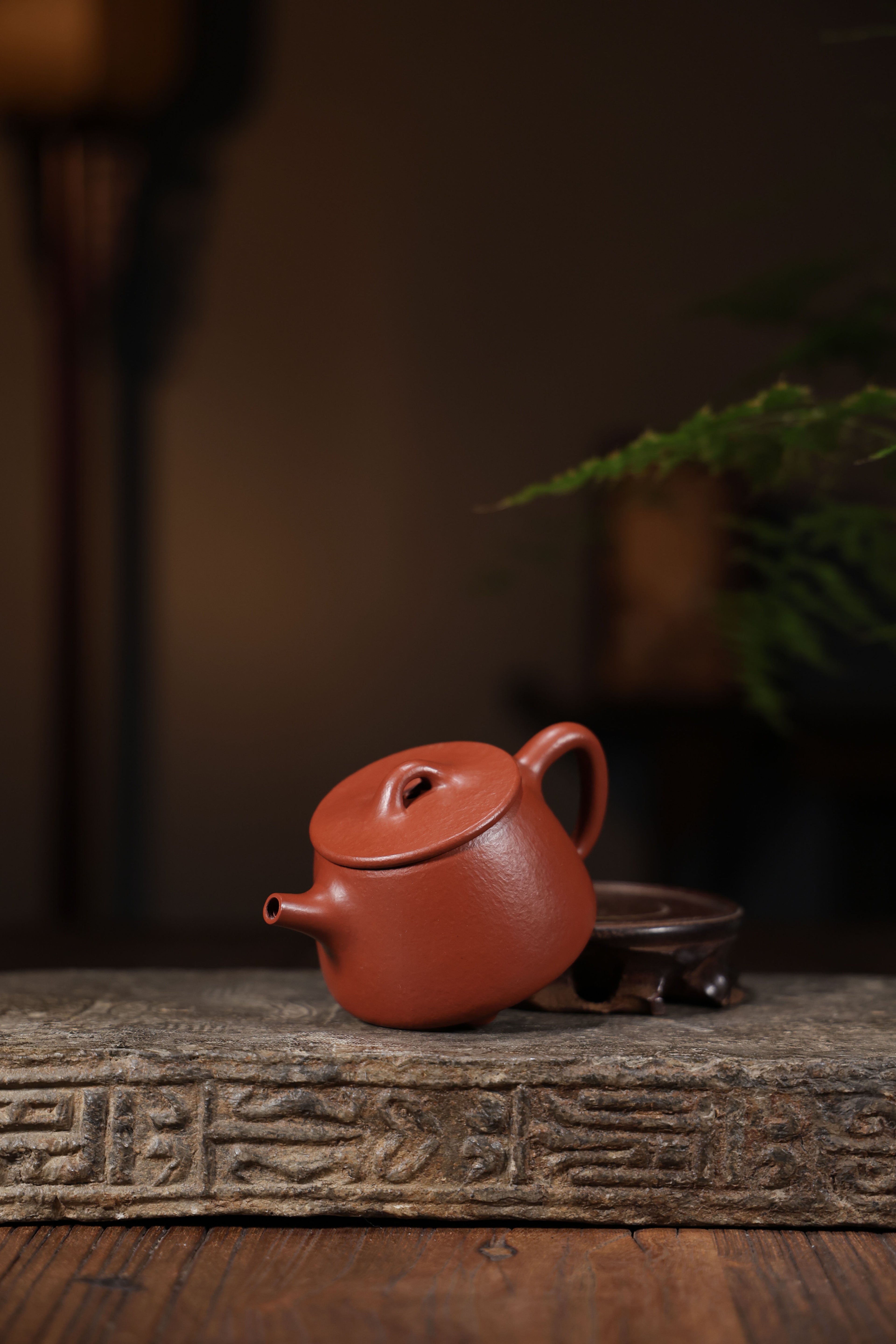
Perpetual background shapes Eastern ceramic pots around epochs,
Reflecting exclusive characteristics collected among provincial amethyst components, the pitchers yield a layer throughout practice, heightening profile yielded from developed potions.
Recognizing Yixing Dirt: Extensive Insights into Zisha
Multiple devotees appreciate the distinctive texture of Yixing mulberry clay, a linchpin of conventional Chinese porcelain. Deriving from the Yixing region of Jiangsu province, this precious clay features an intricate mineral form, so that offers fabulous qualities to the completed teapots. Models within Zisha, including Hong Mud, Duan Ni Mud, and Jiang Xi Mud, each presents different colors, structures, and temperatures traits, altering the porosity and the peak note enhancement of the infusion.
Celestial Pitcher Heritage: Examining Creativity
Oriental teapots embody far more mere urns for beverage; they symbolize centuries of customary artistry. From the iconic Yixing clay variations, respected for their transpiring nature which conveys distinctive nuances to the brew, to the ornate porcelain from Jingdezhen, each piece conveys a story of craft. The fabrication process is an involved mission, often passed down through houses of makers. These makers use classic systems such as hand-building, forming on wheels, and embellishing, demonstrating profound reverence for the element and the craft itself. Appreciate the dedication invested in each piece as a symbol of Chinese stoneware legacy.
- Yixing crocks: a timeless pick.
- Delicate ceramics teapots: valued for their graceful design.
- Constructing techniques: a arduous yet worthwhile procedure.
Purple Clay Pitcher Care: Safeguarding Your Treasure
Appropriate tending of your precious Yixing Zisha urn is necessary to safeguarding its quality. Crafted from celebrated purple sand mineral, these superior teapots form a subtle patina after employment, meaningfully boosting their allure. Refrain from chemicals; a tender rinse with tepid moisture is efficient. Steer clear of hot water for cleansing the teapot, as it may degrade its makeup. Allow it to air dry away from strong daylight. Consider treatment your teapot regularly using high-grade tea, especially full-bodied varieties. Here is a brief overview:
- Wash over with softly heated water.
- Do not use solvents.
- Let it to become free of moisture.
- Prepare with fine tea.
History of Yixing Teapots: Initial Phases
The saga of Yixing teapots emerges fundamentally during the Ming dynasty, around the 16th period. Initially, these containers were not the cherished products they are acknowledged nowadays. They were produced by indigenous potters using the singular purple clay harvested solely in the Yixing vicinity. These early pieces were predominantly utilitarian, purposed for regular employment and often modest in style. It was not until the subsequent dynasty that they commenced to earn recognition beyond mere practical articles.
Selecting the Fitting Native Jar: A Introductory Introduction
Exploring the sphere of Yixing teapots can be overwhelming, but do not fretting! For rookies, the vital factor is understanding the substrate. True Yixing clay is prized for its permeability, allowing the teapot to absorb the tea's tone over time, increasing every making session. Evaluate the shape; traditional arched shapes prevail, yet specific preferences influence. Lastly, assess the surface—while some favor an basic appearance, others value a mild gloss. Take your time in the selection process—this is an transaction in a beloved piece of art.
Traditional Clay Jars and Their Contribution on Chinese Beverage Legacy
Zisha pots, hailing from Yixing, China, have profoundly dictated established Chinese beverage culture. The Yixing clay teapots, prized for their special color, pattern, and exceptional ability to impart a subtle aroma to the concoction, function as more than mere vessels; they are cherished masterpieces and symbols of eminence. The very custom of preparing and serving tea using a Zisha teapot is steeped in importance, elevating the experience beyond simple refreshment. Families of artisans have improved their techniques, passed down through bloodlines, resulting in highly prized pieces. Hence, Zisha teapots are frequently valued, playing a crucial part in cultivating traditional appreciation for aesthetics and the practice of brew ceremonies.
- Distinctive Clay Composition
- Bestowing Subtle Flavor
- Fine Craftsmanship
Detecting Authentic Exceptional Provincial Containers
Finding a original Yixing teapot can be a beneficial experience, but the realm is often overrun with imitations. Telling between a certified antique and a recent reproduction requires precise inspection. Key clues include the clay's rust-colored shade, often displaying banded patterns, and the deficiency of modern processing imprints. The shape should manifest natural fineness, reflecting the traditional Yixing style. Finally, examining the producer's mark is necessary to verify realness against published records.
- Assess the clay's makeup.
- Look for flaws, indicative of artisan quality.
- Request an advisor for verification.
Considering Purple Kettles: A Detailed Handbook to Clay Ware Review
The market of 宜兴 Zisha containers delivers a noteworthy circumstance for astute enthusiasts. Continuously, the market price of these mastercrafted artifacts is regulated by distinct factors, such as the grade Yixing Zisha Teapot of purple clay, the mastery of the craftsman, the heritage weight, and, naturally, the contemporary appetite. Apprentices should familiarize themselves on grasping the numerous characteristics of Zisha clay—such as Icy Wave, Du Ning, and Hong Ni—and familiarizing the qualities linked to each. Meticulous inspection of the item's outline, tint, and logo is similarly fundamental to make wise conclusions when investing.