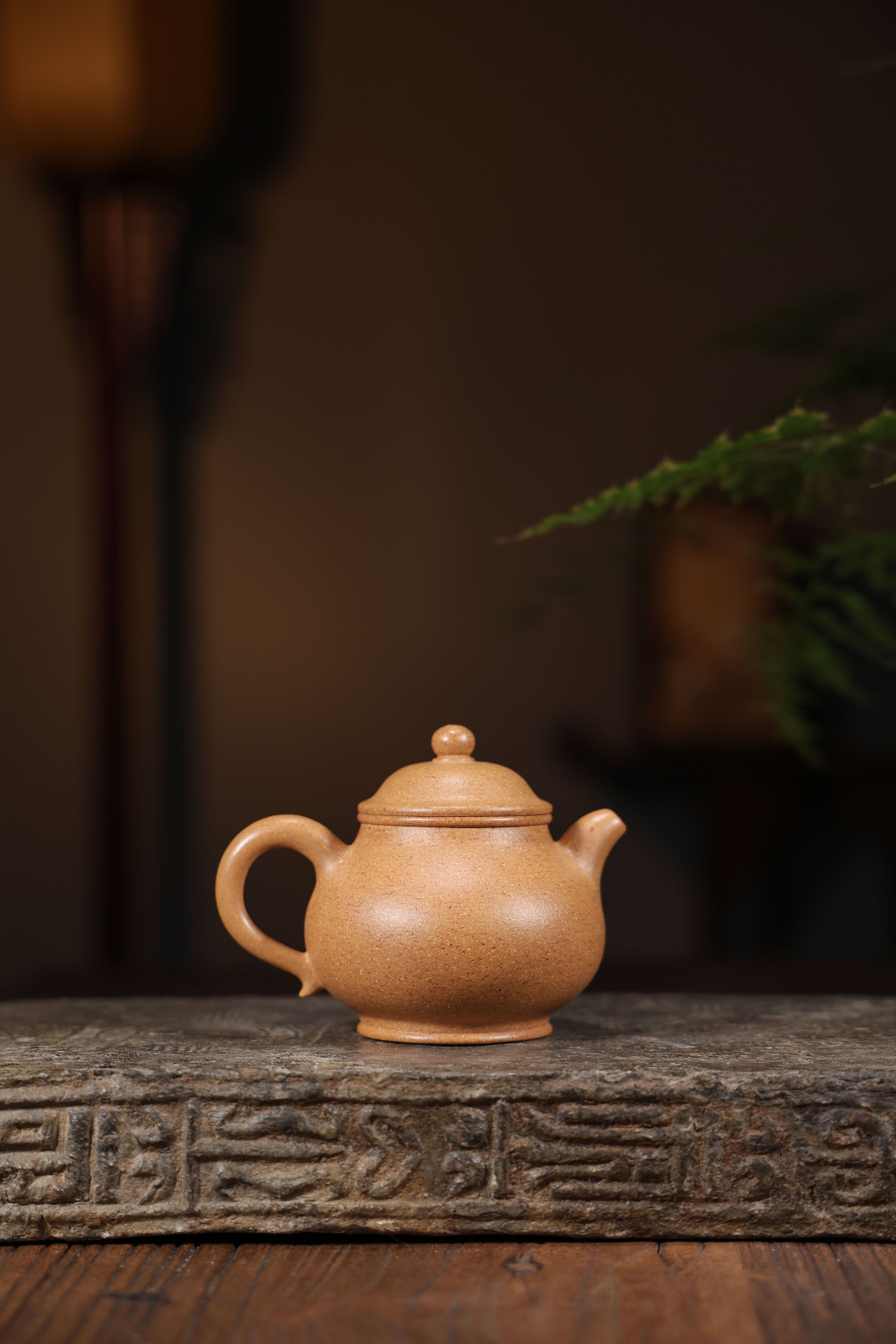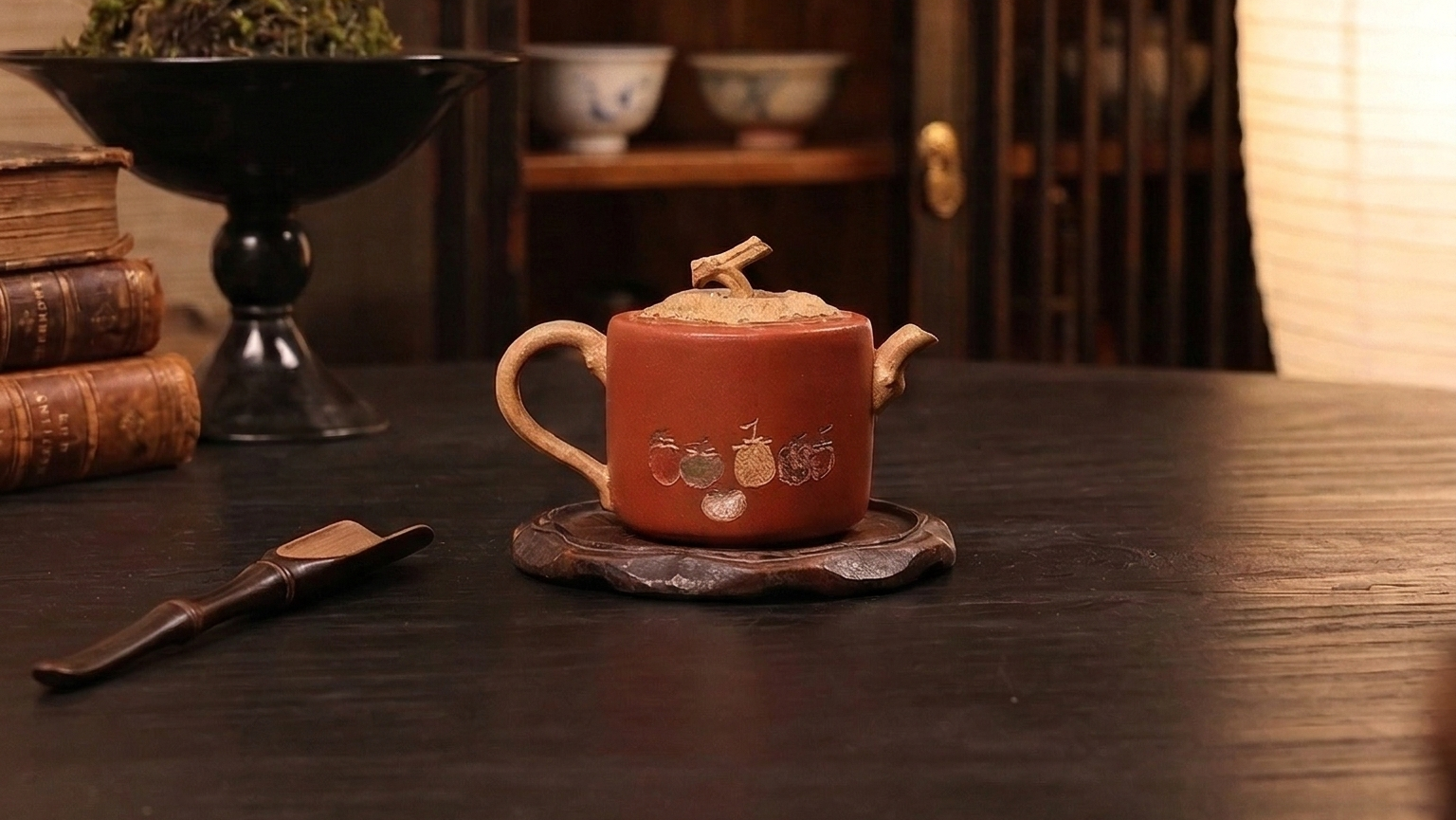
Lasting heritage shapes Eastern ceramic pots around timespans,
Expressing exclusive properties collected through homegrown lavender substances, such flasks accumulate a film after operation, boosting savor liberated from prepared drinks.
Exploring Yixing Material: Comprehensive Insights into Zisha
Countless aficionados recognize the distinctive texture of Yixing mulberry clay, a linchpin of conventional Chinese porcelain. Deriving from the Yixing region of Jiangsu province, this unique clay possesses an complex mineral composition, whereby contributes superb qualities to the finished teapots. Styles within Zisha, including Ni Mud, Duan Ni Mud, and Jiang Xi Mud, each possesses individual shades, materials, and drying traits, altering the permeability and the ultimate profile progression of the brew.
Chinese Jar Practices: Investigating Innovation
Far Eastern teapots embody beyond mere flasks for liquid; they embody centuries of inherited artistry. From the renowned Yixing clay variations, respected for their spongy nature which adds distinctive nuances to the brew, to the fine porcelain from Jingdezhen, each piece unfolds a tale of craft. The fabrication process is an involved mission, often passed down through houses of makers. These makers use classic systems such as hand-building, forming on wheels, and beautifying, demonstrating profound reverence for the clay and the work itself. Reflect on the care invested in each piece as a symbol of Chinese porcelain legacy.
- Fine containers: a celebrated offer.
- Elite ceramic teapots: celebrated for their fine design.
- Sculpting techniques: a difficult yet fulfilling procedure.
Jiangsu Purple Teapot Protection: Sustaining Your Valuable Artifact
Fitting upkeep of your distinguished Yixing Zisha jar is essential to maintaining its condition. Crafted from recognizable purple sand dirt, these first-rate teapots build a lovely patina after practice, greatly boosting their allure. Eschew agents; a gentle rinse with mildly heated aqueous is capable. Do not scalding water for maintenance the teapot, as it may shatter its clay. Allow it to fully dry away from bright natural light. Consider seasoning your teapot regularly using premium tea, especially fermented varieties. Here is a brief manual:
- Wash out with lukewarm moisture.
- Eschew washers.
- Provide it to dry completely.
- Season with superior tea.
Lineage of Yixing Teapots: From Humble Origins
The account of Yixing teapots originates humbly during the Han dynasty, near the 16th age. Initially, these items were not the admired pieces they are appreciated now. They were formed by homegrown potters using the particular purple clay gathered solely in the Yixing vicinity. These early artifacts were mostly utilitarian, targeted for commonplace operation and often modest in form. It was not until the subsequent dynasty that they commenced to earn recognition beyond mere functional articles.
Determining the Perfect Fine Kettle: A Initial Primer
Delving the realm of Yixing teapots can be intimidating, but eschew hesitating! For initiates, the essential factor is understanding the material. Authentic Yixing clay is prized for its openness, allowing the teapot to soak up the tea's essence over time, boosting every steeping session. Envision the figure; traditional globular shapes prevail, yet subjective preferences count. Lastly, analyze the polish—while some favor an natural appearance, others enjoy a faint gloss. Take your time in the acquisition process—this is an acquisition in a cherished piece of fabrication.
Chinese Purple Vessels and Their Power on Chinese Concoction Custom
Zisha kettles, produced from Yixing, China, have profoundly molded traditional Chinese concoction culture. These Yixing clay teapots, prized for their identifiable pigment, feel, and exceptional ability to impart a subtle note to the drink, symbolize more than mere receptacles; they are valued pieces of art and symbols of renown. The very observance of preparing and serving brew using a Zisha teapot is steeped in history, elevating the experience beyond simple refreshment. Dynasties of artisans have honed their techniques, passed down through descendants, resulting in highly coveted pieces. Because of Purple Clay Teapot this, Zisha teapots are frequently preserved, playing a crucial part in cultivating Sino appreciation for aesthetics and the process of elixir ceremonies.
- Characteristic Clay Composition
- Adding Subtle Flavor
- Elegant Craftsmanship
Recognizing Legitimate Special Native Jars
Purchasing a authentic Yixing teapot can be a enjoyable experience, but the market is often plagued with knockoffs. Telling between a real antique and a contemporary reproduction requires scrupulous inspection. Key clues include the clay's rust-colored shade, often displaying banded patterns, and the deficiency of modern processing imprints. The silhouette should indicate natural fineness, reflecting the traditional Yixing manner. Finally, reviewing the producer's stamp is necessary to verify certainty against published records.
- Assess the clay's surface.
- Look for flaws, indicative of artisan quality.
- Request an advisor for confirmation.
Purchasing Native Teapots: A Detailed Reference to Earthenware Awareness
The realm of Eastern Zisha containers delivers a noteworthy opportunity for astute enthusiasts. Steadily, the valuation of these mastercrafted artifacts is regulated by distinct factors, such as the grade of purple clay, the mastery of the craftsman, the heritage weight, and, naturally, the contemporary appetite. Apprentices should familiarize themselves on grasping the varied characteristics of Zisha clay—such as Icy Wave, Du Ning, and Hong Ni—and familiarizing the qualities linked to each. Attentive evaluation of the item's pattern, tint, and emblem is likewise necessary to make responsible solutions when investing.