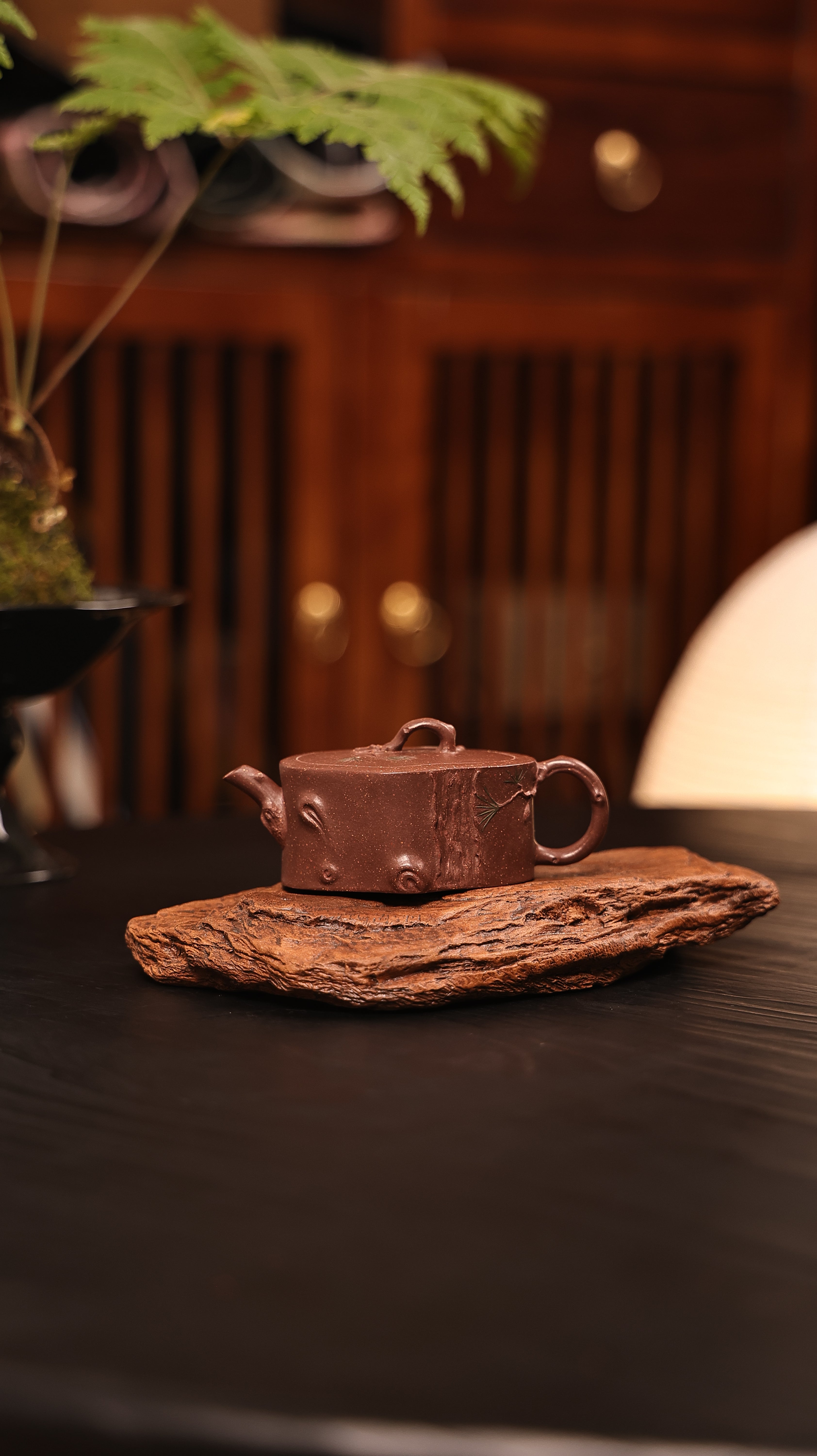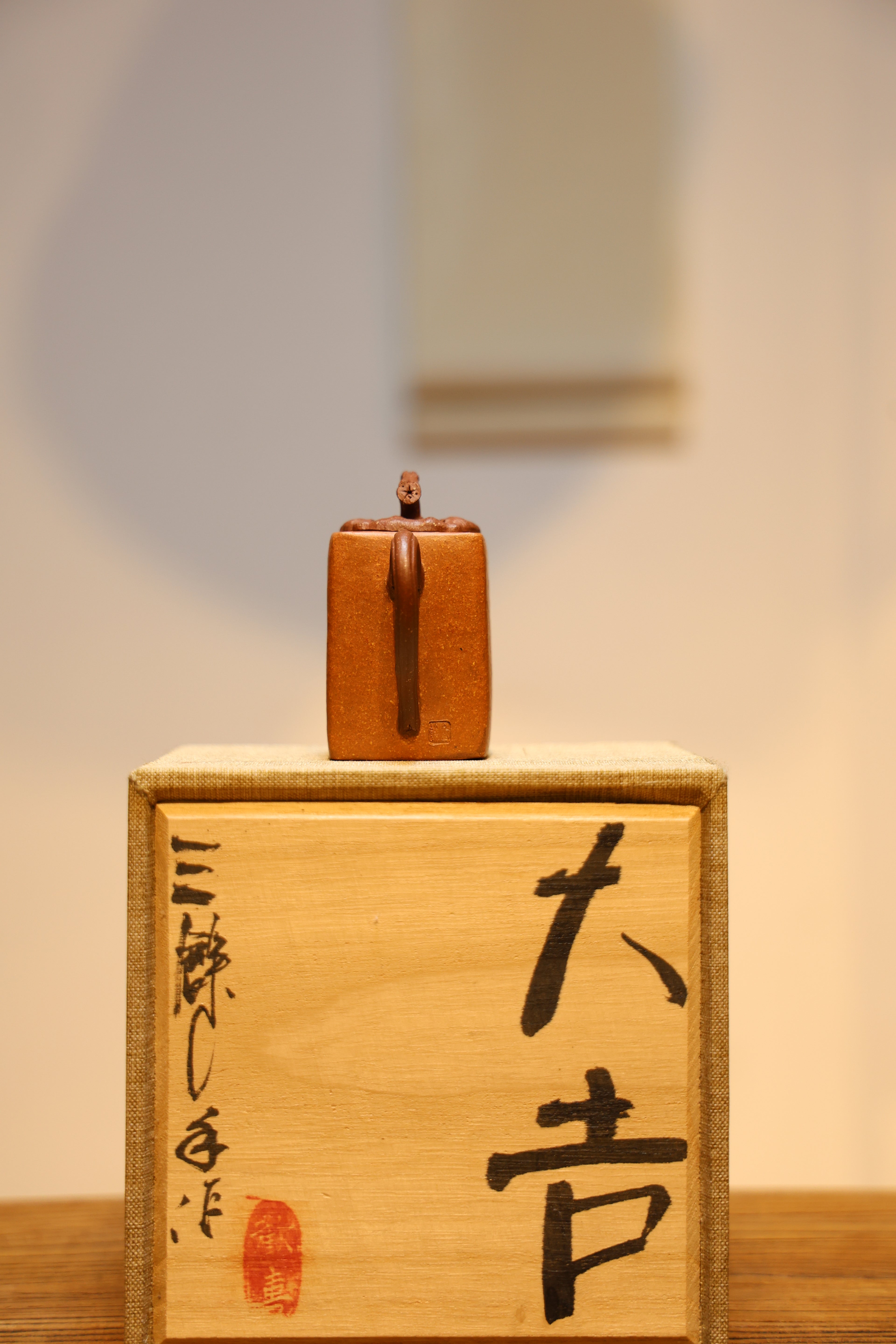
Generations in experts have long valued the unique appeal of Yixing Zisha pots. Originating in the small town of Yixing, the republic, these containers are produced from a uncommon and sourced purple clay noted for its exceptional thermal properties and facility to amplify the savor of liquids. More than their useful merit, Zisha teapots manifest a solid traditional inheritance, making them considerably esteemed and a legitimate find for any zealous teapot devotee.
Discovering Yixing Vessels
These teapots display a extraordinary combination of history and seasoned craftsmanship. Existing in Yixing, Jiangsu Area of China, their narrative dates back the Ming Dynasty, although clues suggest earlier versions. The unique plum clay, called Zisha, found only in the Yixing region, is the paramount component, contributing to the pots' remarkable heat stability and the manner they enhance the essence of tea. Generations of potters have improved techniques—often inherited through families—including designing the clay, applying ornate embellishments, and firing the pots at precise temperatures.- Initially, Yixing teapots were often adorned with simple designs.
- Thereafter, more sophisticated carvings and iconographic motifs became widespread.
- The kiln firing itself is a vital element, requiring extensive periods of competence.
Acquiring Zisha Teapots: Necessary Guidelines
Embarking on a venture to procure Zisha pots can be gratifying, but it’s important to appreciate what to search for. Authenticity is critical; focus on the potter’s natural cast, a subtle reddish-brown is characteristic. Examine the consistency; genuine Zisha has a unique tactile sensation, often explained as slightly unequal. The shape should be appealing and consistent with conventional styles, while maker’s marks, if present, require diligent examination for veracity. Don’t delay to consult with expert authorities or dependable references – their perception is essential.
Chinese Vessels: Investigating the Practice of renowned Zisha
Years have seen Yixing Yixing Clay teapots sustain a exceptional role in Chinese culture. These finely fashioned pots, sourced distinctively from the locale of Yixing, are famous for their unique hue, surface, and their ability to develop the bouquet of potions. Legions of collectors acquire antique Yixing teapots, valuing them greatly not only for their aesthetic appeal, but also for the story they embody.
Yixing Zisha Teapots: The Best Sorts and Their Characteristics
Yixing Zisha teapots, rooted in the genuine zone of Yixing, the People’s Republic, are renowned for their unique clay and outstanding brewing capabilities. Amidst the different Zisha types, notable classes that are highly admired include Huiwan. Binzhou, known for its rich purple shade and fine texture, delivers a gentle flavor. This Duan Ni variety, recognizable by its orangish color and fairly grainy feel, is assumed to enhance the fullness. Lastly, The Zhuni type boasts an peculiar burgundy tone and can deliver a mild nuance. Each type offers a singular experience, enabling them extremely desirable among liquid enthusiasts.
Refining One’s Zisha Teapot
To reveal the essence of your Yixing kettle, knowing the correct way is crucial. These clay pots, celebrated for their texture, will incrementally develop the nature of the tea you cook within them. Begin by cleaning the jar thoroughly with boiling water. Then, use only premium raw leaf tea, as lower quality options can degrade the clay’s delicate qualities. Always let the leaves to extend completely, and remember that with each steeping, your Yixing kettle will become gradually cherished.
Securing Your Priceless Zisha Treasure
Proper treatment for your Zisha kettle is crucial to maintaining its durability and worth. Zisha clay, praised for its unique tone and structure, requires delicate handling. Never use stringent soaps, as these Yixing Teapot can spoil the surface. After every application, rinse the teapot with moderate temperature water and allow it to cool off completely.
- Eschew soaking the urn for extended durations.
- Sporadically use a soft towel to dress the exterior.
- Consider applying a thin layer of food-grade lubricant inside the urn after drying, which can prevent staining.
Introduction to Yixing Earthenware
Yixing earthenware, originating from the Yixing region in Jiangsu Province, part of China, are celebrated for their distinctive peculiarities. Made from the unique purple ground known as Zisha, these pitchers are prized by tea enthusiasts worldwide. This overview will succinctly explain the nuts and bolts – covering varieties of Zisha material, typical shapes, and key care tips. Understanding the heritage of Yixing earthenware can expand your appreciation for this classic example of Asian custom.
Expertise of Eastern Pots: Focusing on Zisha made in the Yixing territory
Zisha pottery from the Yixing region represents the maximal point of Han kettle design, demonstrating a unique blend of earthy beauty and useful artistry. These outstanding pieces are celebrated for their profound complexions, often stretching over strong purples and copper hues to delicate greys and subtle beiges. The salient mineral composition of the typical Zisha clay imparts a noteworthy texture and renders a gratifying aroma that richens the comprehensive extract experience, affording them notably admired collectibles and key components of any serious tea.