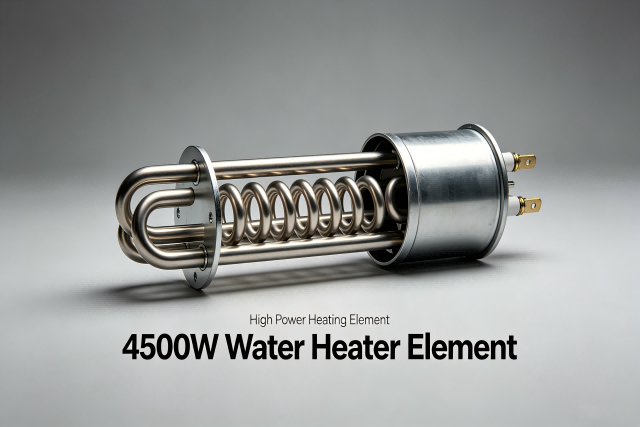
Within the territory of personalized heating elements, proficiency plays a essential role in supplying functional fixes for production operations. Crews leverage state-of-the-art thermal forecasting and virtual testing approaches to construct devices meticulously adapted to fulfill special temperature profiles, resist tough atmospheres, or embed with complicated platforms. Workflows encompass component selection (from usual metallic blends to high-tech ceramics), device shaping (curving, modeling, spiraling), and fine assembly securing optimal performance and endurance. Our dedication is on joint development, rigorous testing and constant evaluation to produce tough and capable temperature fixes for each demand.
Deciding on such a Proper Temperature Unit for Client's Requirement
When deciding on a thermal module, it’s vital to weigh various components. Keep in mind the required current demand, as this substantially impacts output. Moreover, material option—like nickel-chrome blend or insulator insulators—must correspond to the utilized degree. Finally, the bodily dimensions and form need to correspond to within your device's available capacity—ensuring it’s steadfastly placed. Ignoring these items can incur a ineffective and potentially perilous system.
Top Heating Unit Manufacturers In all regions
The global heating component manufacturing domain is dominated a handful of leading players. Countless companies consistently rank among the top for quality, innovation, and production output. Notable firms include Elnar Systems, based in Sweden, known for their excellent electric heating resistors; Chromalox, a U.S.-based enterprise offering a wide collection of industrial heating alternatives; and Hefestos AG, a Swiss company specializing in customized heating schemes. Additionally, Far Eastern manufacturers like Rongde Technology are increasingly making a influence with competitively priced options. A quick review at market distribution typically reveals these companies fronting the field, though smaller, niche producers also thrive.
- Enterprises
- Vulcan
- Nordic
- Electric
Learning about Different Sorts of Heating Elements
To optimally troubleshoot or identify the suitable heating system, it's necessary to appreciate the different categories of heating modules. These components are responsible for converting electrical force into heat, but they do so in various ways. Widely seen options include resistance coils, which directly induce thermal energy in a material when electricity passes through them; quartz infrared heaters, emitting radiant warmth ideal for areas needing localized heating; and ceramic elements, known for their quick rebound and durability. Take into consideration that each has unique characteristics concerning efficiency, longevity, and applications – resistance coils are often less expensive but have a shorter lifespan, while quartz heaters provide distinct warmth arrangements. Choosing the correct element depends largely on your desired performance and intended use case.
- Traditional Coils
- Quartz Infrared Emitters
- Ceramic Blocks
Thorough Examination of Heating Materials
Deciding on compatible heating module constituents is imperative for optimum operation across diverse applications. Common variants include resistive alloys like nichrome (nickel-chromium), which bestows a good balance of remarkable resistivity and hardiness, but can be limited by warmth. Kanthal, another alloy incorporating aluminum and silicon, typically exhibits improved wear resistance resistance at increased temperatures. For specific needs, ceramic materials like molybdenum disilicide (MoSi2) may be employed, boasting exceptionally elevated temperature capability and rapid heating rates; however, they often require protective atmospheres to prevent rust. Considerations when choosing a material involve operational warmth range, desired force density, environmental conditions (e.g., corrosive atmosphere), and cost-effectiveness.
- Nichrome: Cost-economical, moderate temperature.
- Kanthal: Enhanced corrosion resistance.
- Molybdenum Disilicide: Very high temperature capacity.
Forward Look at Thermal Units
The anticipated landscape of custom heater systems is poised for a significant transformation, driven by advancements in progress and increasingly specific customer requests. We're witnessing a shift coffee machine heating element away from standard offerings toward highly personalized heating implementations, fueled by the rise of Industry 4.0, IoT integration, and sustainable energy focus. See more emphasis on additive manufacturing (3D printing) enabling rapid prototyping and incredibly complex heater geometries previously unreachable to produce. Furthermore, intelligent heating elements with built-in sensors and self-regulating capabilities will become commonplace, optimizing energy efficiency and minimizing operational fees. This includes:
- Smart materials allowing for greater temperature precision.
- Remote monitoring and command via cloud-based platforms.
- Specialized solutions for specialized industries like medical devices, aerospace, and electric vehicles.
Diagnosing Frequent Electrically powered Unit Problems
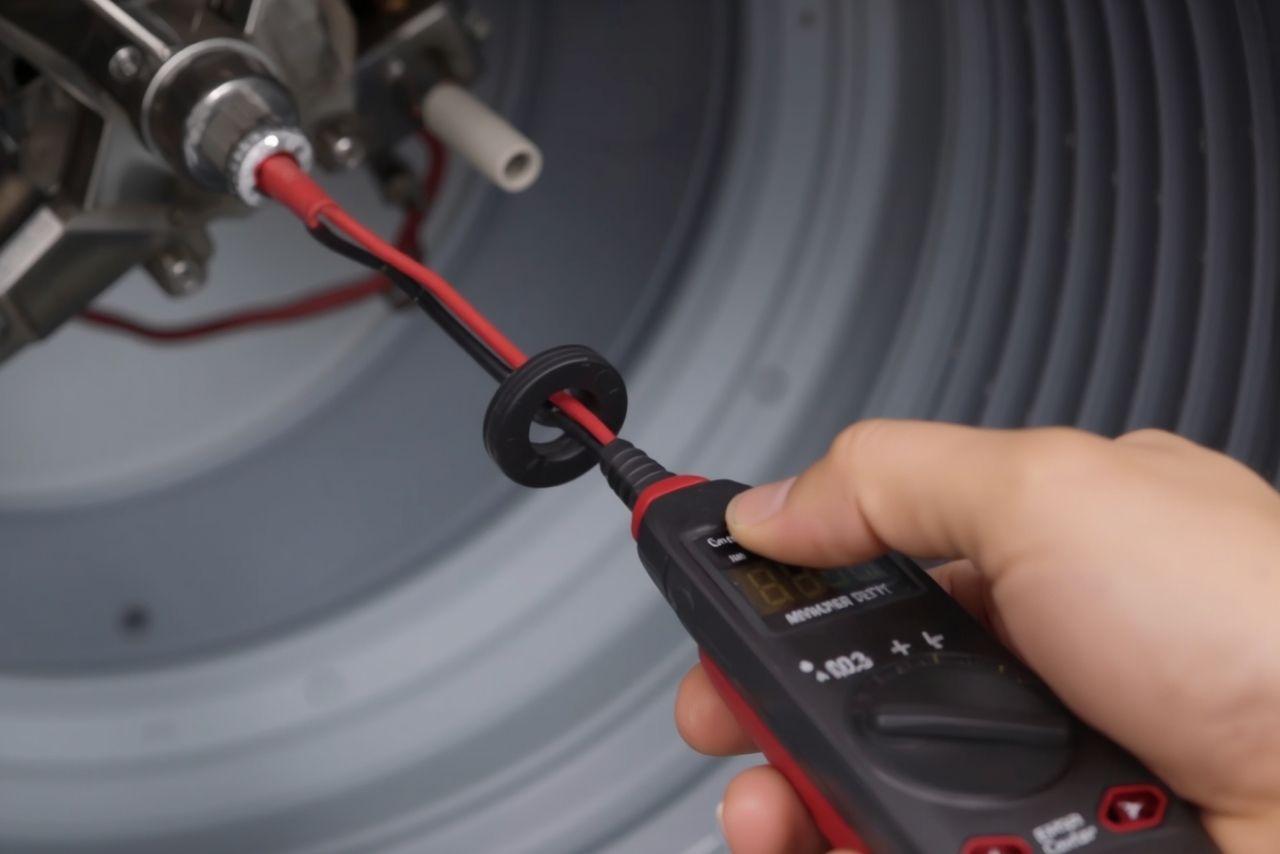
Should your device isn't effecting warmth, the unit is often a prime suspect. Primarily, visually inspect the device for any signs of physical breakage, like burns or fissures. A broken element usually needs replacing; don’t attempt a restoration. If it appears fine, use a diagnostic tool to check for continuity – no reading indicates a faulty electric wire. Another common problem is a unstable link; ensure all wires are securely secured to the element and its power source. Finally, remember that sometimes the issue isn't with the element itself but with a faulty controller or other associated unit, requiring further checking by a qualified operative.
Elevating Thermal Device Performance and Economy
Improving resistance unit's output is necessary for reducing electricity expenses and attaining optimal system performance. Many factors modulate how well a heating device modifies electrical energy into heat. These consist of material variety, format, and working thermal condition. Ongoing maintenance, such as decontaminating mineral deposits and confirming proper amperage, can significantly amplify the element’s ability to deliver consistent, steady heat while enhancing its operating life.Teaming up with Respected Thermal Unit Fabricators
Determining appropriate appropriate heating element supplier is highly important for ensuring product superiority. Finding a dependable manufacturer can offer substantial benefits, including predictable delivery schedules, reduced production expenditures, and access to expert technical help. Assess their experience, certifications (like ISO), and manufacturing capabilities. A good supplier will provide robust documentation, detailed specifications, and demonstrate a commitment to persistent improvement. Beyond just production, look for partnerships that foster collaboration and innovation to meet evolving design needs – it's about building a long-term relationship not simply obtaining parts.
- Examine manufacturing processes
- Validate quality control procedures
- Solicit references from existing clients